Fire Safety
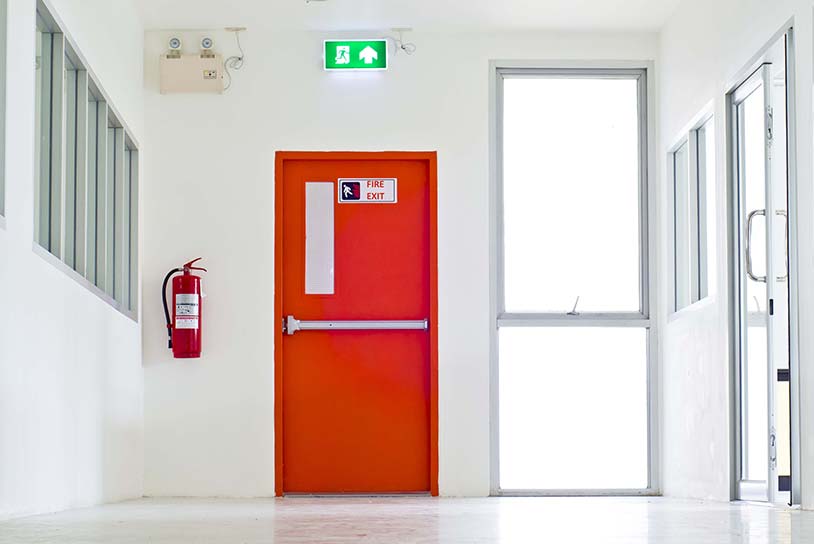
Non Domestic Fire Safety
Fire risk assessments are the foundations of fire safety and a legal requirement. They may ensure the safety of the people in the building and also help to protect the building from damage.
Who is responsible for completing a fire risk assessment?
What are the duties of the person who is deemed responsible for doing the assessment?
The following will help you find out the answers to those questions.
Who is responsible for completing a Fire Risk Assessment?
The devolved government’s fire safety websites states that you, the responsible person or duty holder, is responsible for fire safety in your business or other non-domestic premises if you are :
- an employer
- the owner
- the landlord
- an occupier
- or anyone else with control of the premises, for example a facilities manager, building manager, managing agent or risk assessor
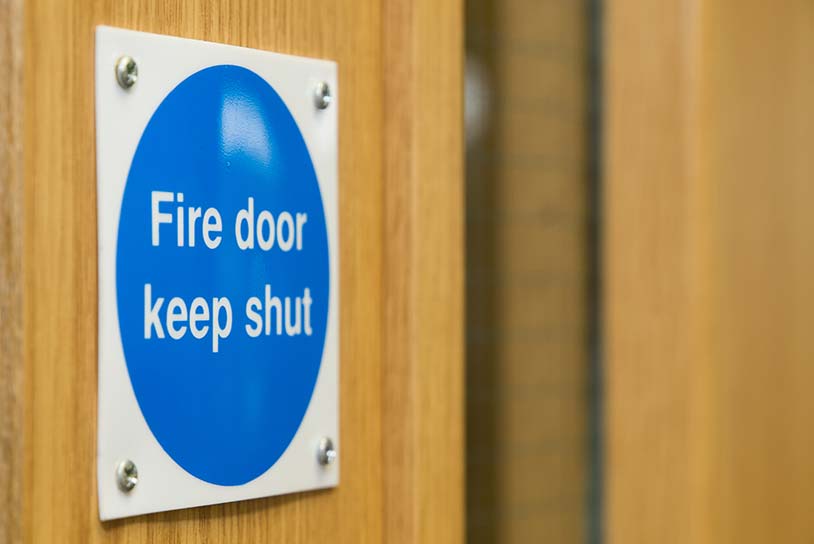
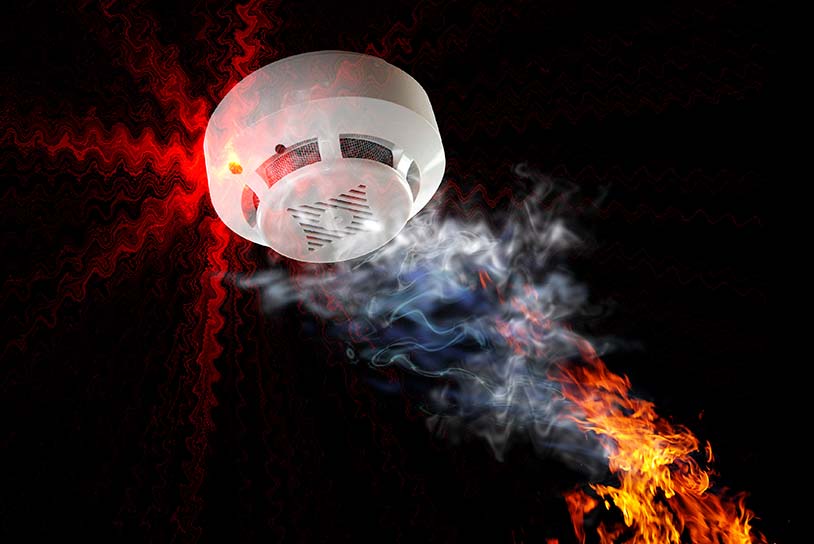
A person can be responsible for fire safety in either a business or a premise that is used for non-domestic purposes.
For example, an employer is responsible for fire safety. An owner of the company is responsible for completing a fire risk assessment, too. Others who are responsible include landlords and occupier.
The person with control of the premise is responsible for carrying out an assessment. This can be the manager of a facility or the building manager.
A risk assessor can also be responsible, and so can a managing agent. If you have shared premises, there can be multiple people responsible for completing a fire risk assessment.
Also, those who run a business with paying guests have to complete a fire risk assessment. For example, this would include owners of a guesthouse or bed & breakfast and all types of self-catering properties.
The Regulatory Reform Order (England & Wales) or the Fire (Scotland) Act 2005, requires a “suitable and sufficient” fire risk assessment. The responsible party may feel more confident in calling out a professional. This is where GGS fire safety can help.
There are several benefits of using an experienced fire risk assessor such as GGS Fire Safety.
The responsible person or duty holder can relax with the peace of mind of knowing that the assessment will be as thorough as possible.
How it works when hiring a professional GGS fire risk assessor – We will arrive on the agreed date and complete the assessment. The time the assessment takes depends on factors such as the complexity and size of buildings, the number of occupants, the number of floors and the level of risk involved. Upon completion of the assessment our fire risk assessor will produce a report which will be both supplied to you in both electronic and paper format. Your fire risk assessment is an important document. It should be kept along with your other fire safety documentation and readily available for inspection by the enforcing authorities.

What is included in a Fire Risk Assessment?
There are five key steps when carrying out the assessment:
- Identify the fire hazards
- Identify people at risk
- Evaluate, remove or reduce the risks
- Record your findings, prepare an emergency plan and provide training
- Review and update the fire risk assessment regularly
Fire hazards can include chemicals and flammable substances. All potential fire hazards will be identified.
People working directly with potential hazards will have their risks identified.
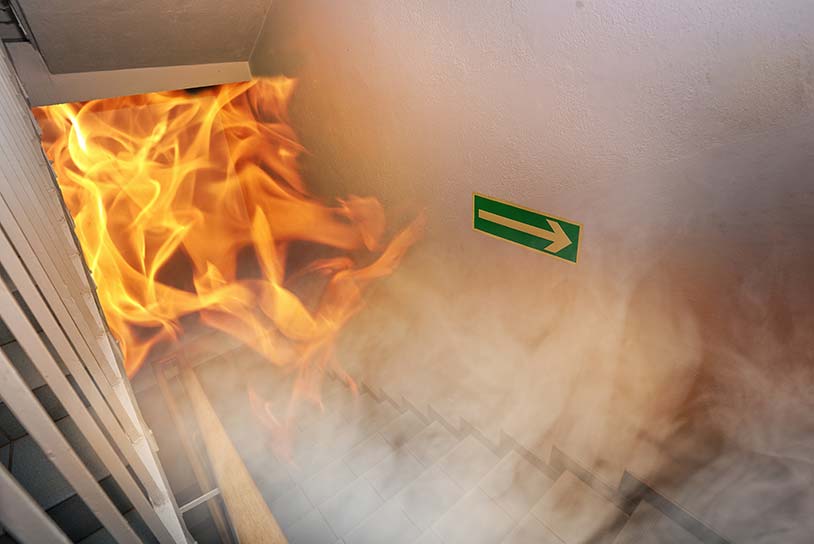
The emergency plan will identify exit locations and meeting points for staff members in the event of a fire. It will also give instructions on what to do if exits should be obstructed or blocked due to the fire.
Completing a fire risk assessment is essential. It must be done in the correct way by the person responsible within the guidelines set forth by the various devolved governments.


What must you do as The Responsible Person or Duty Holder?
The responsible person or duty holder in Scotland must carry out assessments of the building, as well as review it on a regular basis. They must ensure that staff members and representatives are aware of the risks and that all fire safety measures are maintained.
A plan for an emergency must be kept in place. All staff should receive appropriate fire safety training and be aware of all the risks identified during the assessment.
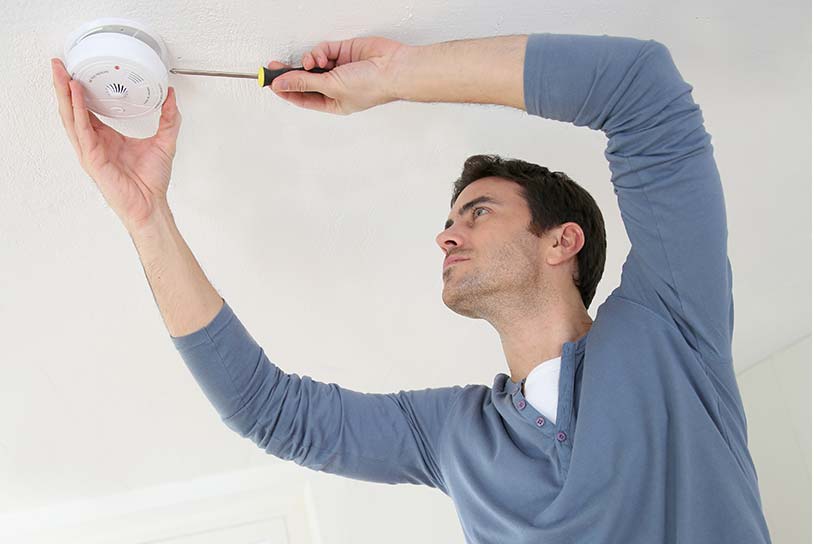
Home Fire Safety
We all want to feel safe in our own home environment.
Unfortunately statistics reveal 318 fire-related fatalities in the UK during 2018/19. This is 82 fewer than occurred in 2017/18 when there were 400.
In the early 2000s, the annual number of fire fatalities was consistently over 500, with numbers gradually falling throughout that decade.
243 fatalities were recorded in 2019/20.
These statistics are terrifying. Every fatality is a tragedy, and even more so when there are ways to reduce the risk of fire in the home.
The devolved governments throughout the UK & Ireland provide excellent fire safety advice and support. In Scotland you can still book a home fire safety visit from the Scottish Fire and Rescue Service.
Note due to COVID 19 this is likely to be suspended until further notice.
Further information is available by clicking here
What are the main causes of fire in the Home?
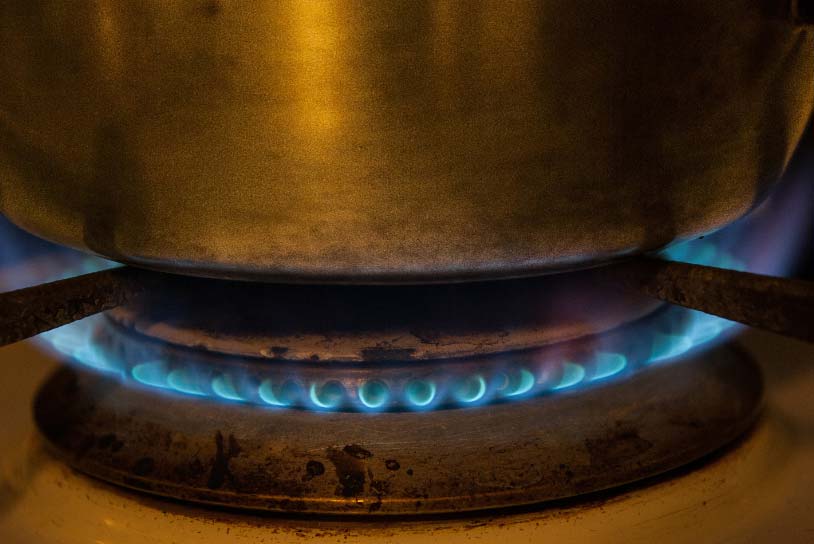
1/ Cooking fires are the main causes of fire in the home.
2/ Every 6 days someone dies in a fire started by smoking materials.
3/ Two accidental dwelling fires a day are started by candles.
4/ Faulty electrics cause about 4,000 fires in the home each year.
What is the Government legislating and Why?
Following the tragic fire at Grenfell Tower in London, a Ministerial Working Group on Building and Fire Safety was established to review building and fire safety regulatory frameworks. This legislation will ensure that everyone in the UK has the same level of protection whether they own or rent their home.
Subsequently the Scottish Government is about to introduce new standards for fire and smoke alarms in all homes from February 2021. However, due to the COVID 19 pandemic, this has been delayed until February 2022.
From this date, every home must have:
1/ A smoke alarm in the living room and in circulation spaces such as hallways and landings
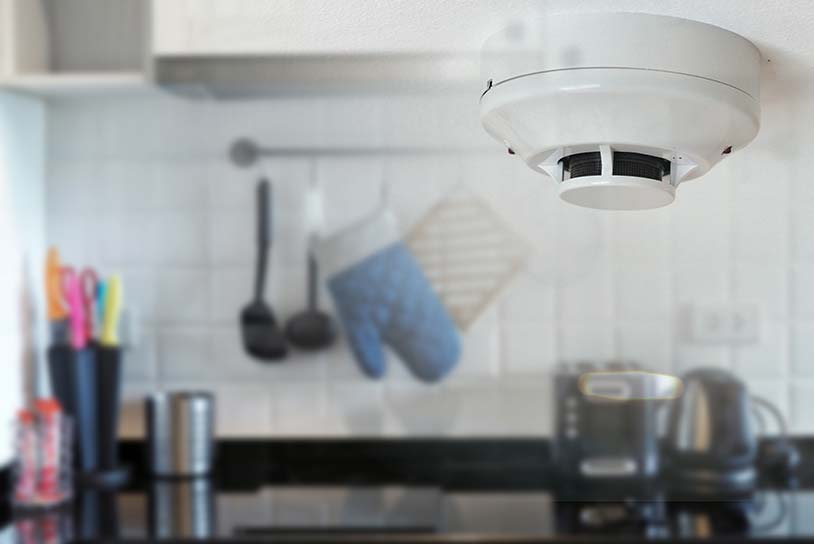
2/ A heat alarm in every kitchen
3/ All alarms ceiling mounted and interlinked. (The regulations allow for alarms to be either hardwired or sealed, tamper proof long-life lithium battery powered. Both types of alarm can be interlinked by radio frequency.)
4/ A carbon monoxide alarm where there are fixed combustion appliances such as boilers and wood burners.
The new rules mean the standard which currently applies to private rented property and new builds is being extended to all homes in Scotland.
Further guidance can be found by clicking here
What can GGS Fire Safety do to help you?
If the above seems daunting GGS Fire Safety can alleviate these concerns by ensuring the supply and installation of the required equipment with the minimum disruption and stress to you and your family.
If you have not already provided us with descriptions and plans of your home we will arrive at your property on the agreed date and install all required detection. We will then ensure that all detectors are interlinked. We will not leave your property until a test of the equipment has been performed and is functioning correctly.
Although the requirements do not come into force until 2022, we would recommend that installation begins as soon as possible in order for us to support you with all your fire safety requirements.
If you are interested in receiving a free quote, please fill out the information on our Contact Form and we will respond in due course.